

Why Your Dog's Bed Choice Says More About Their Mental Health Than You Think
Ever noticed how your dog completely ignores that expensive designer bed you bought and instead curls up in the corner of your closet? Or how they always press themselves against the edges of their bed, never sprawling out in the middle?
These aren't just quirky habits. Your dog's sleeping choices are actually windows into their emotional world: revealing anxiety levels, security needs, and overall mental well-being in ways that might surprise you.
The Psychology Behind the Bed Hunt
Think about how you feel when you're stressed. Maybe you want to burrow under heavy blankets or find a quiet corner away from everyone. Your dog experiences similar urges when they're managing anxiety or uncertainty.
The best dog bed isn't necessarily the most stylish or expensive one: it's the one that meets your dog's specific psychological needs. And those needs show up in surprisingly specific ways through their bed preferences.
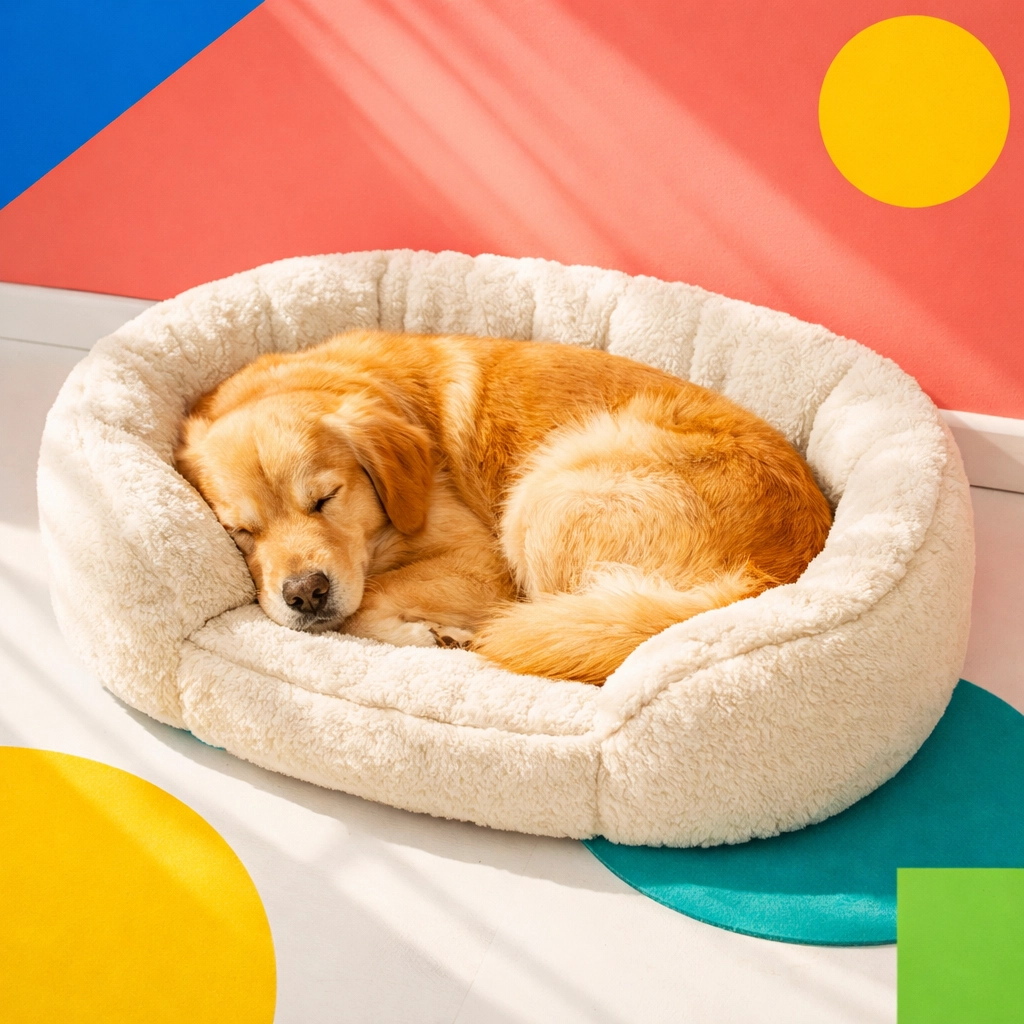
Raised Edges: The Security Blanket Effect
Dogs who consistently gravitate toward beds with raised edges or bolsters aren't just looking for a headrest. They're seeking something much deeper: a sense of physical security.
What it means: When your dog leans against those raised edges, they're creating a protective barrier around themselves. This behavior often indicates a need for emotional support or boundary definition.
Anxious dogs especially benefit from this setup. The bolsters provide:
- Physical grounding that helps them feel anchored
- A sense of being "held" without requiring your constant presence
- Clear boundary definition that reduces environmental overwhelm
- Back protection that satisfies their instinct to guard vulnerable areas
Imagine trying to relax in a completely open space versus settling into a cozy booth at a restaurant. The enclosed feeling isn't restrictive: it's comforting. It's the same with your dog and those raised edges.
If your dog refuses to sleep in the middle of their bed and always presses against the sides, they might be dealing with underlying stress or insecurity that you hadn't recognized.
Cave Beds and Cover Seekers: The Anxiety Tell
Does your dog drag blankets over themselves? Do they prefer sleeping under furniture or in their crate even when the door's open?
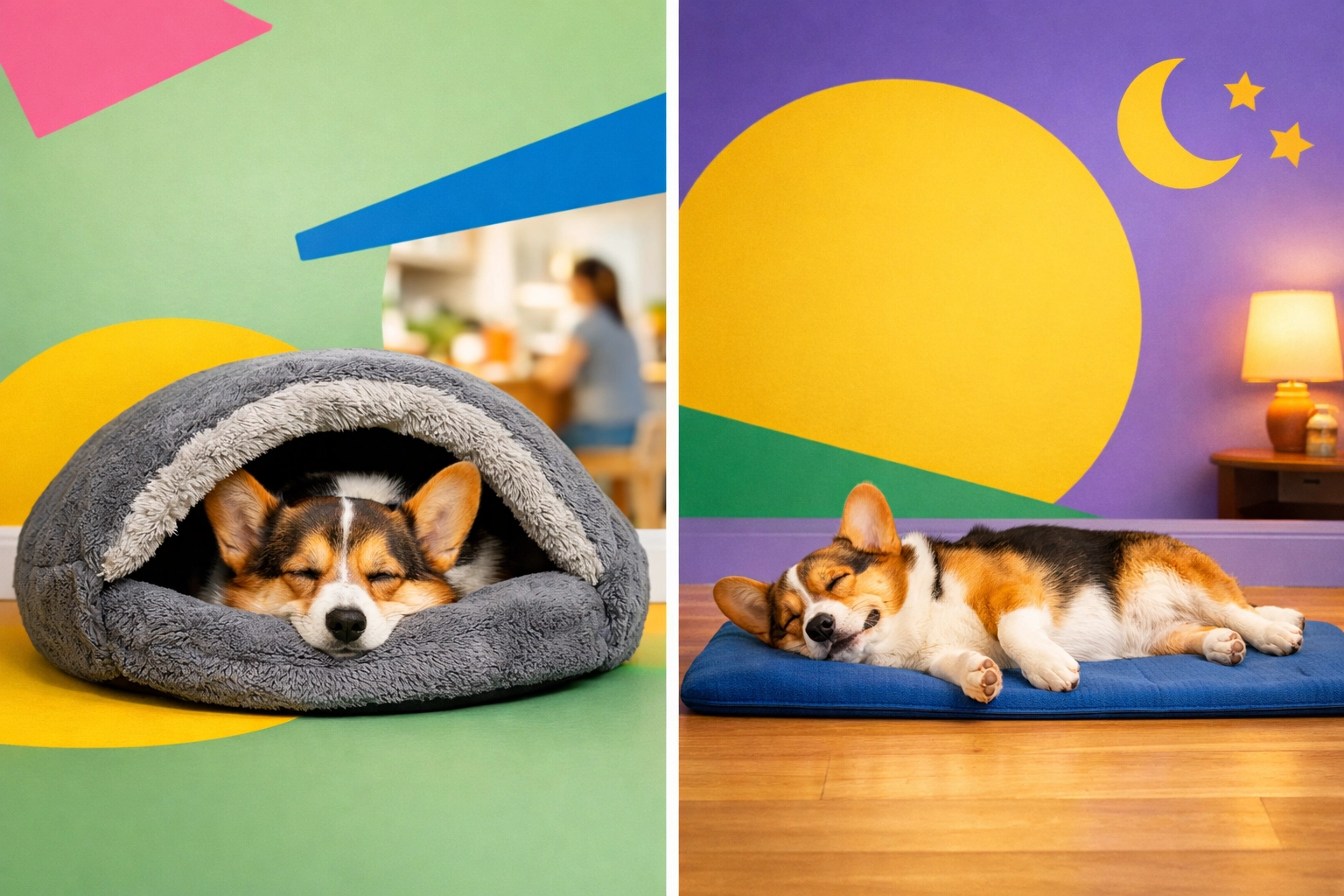
These behaviors point to a specific need for den-like environments. Covered or cave-style beds appeal to dogs managing nervous energy or environmental stress.
Why this matters: In nature, hiding spots equal safety. When your domesticated dog seeks out enclosed spaces, their instincts are telling them to find protection from perceived threats: even if those "threats" are just everyday household activity.
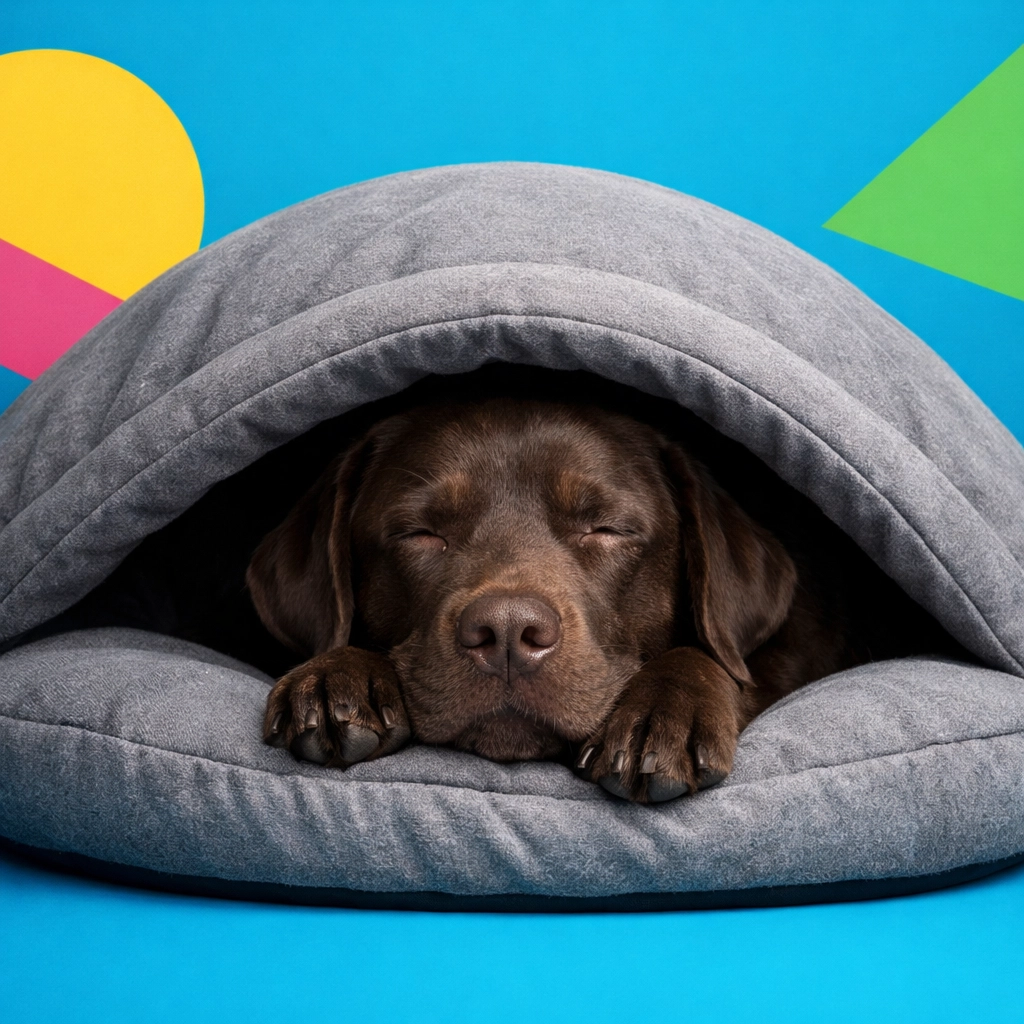
Dogs who prefer cave beds might be experiencing:
- Overstimulation from household noise or activity
- Separation anxiety when you're not nearby
- General nervousness about their environment
- Sensory sensitivity to light or movement
This doesn't mean your dog has a serious problem. But it does mean they'd benefit from creating more calm, den-like spaces in your home where they can decompress. Much like we all need that quiet corner to retreat to after a long day.
The Color Connection: More Than Aesthetics
Here's something that surprised researchers: dogs actually respond to bed colors in ways that reflect and influence their emotional states.
While dogs don't see colors exactly as we do, they can distinguish between cool blues, yellows, and grays: and these colors affect their stress levels.
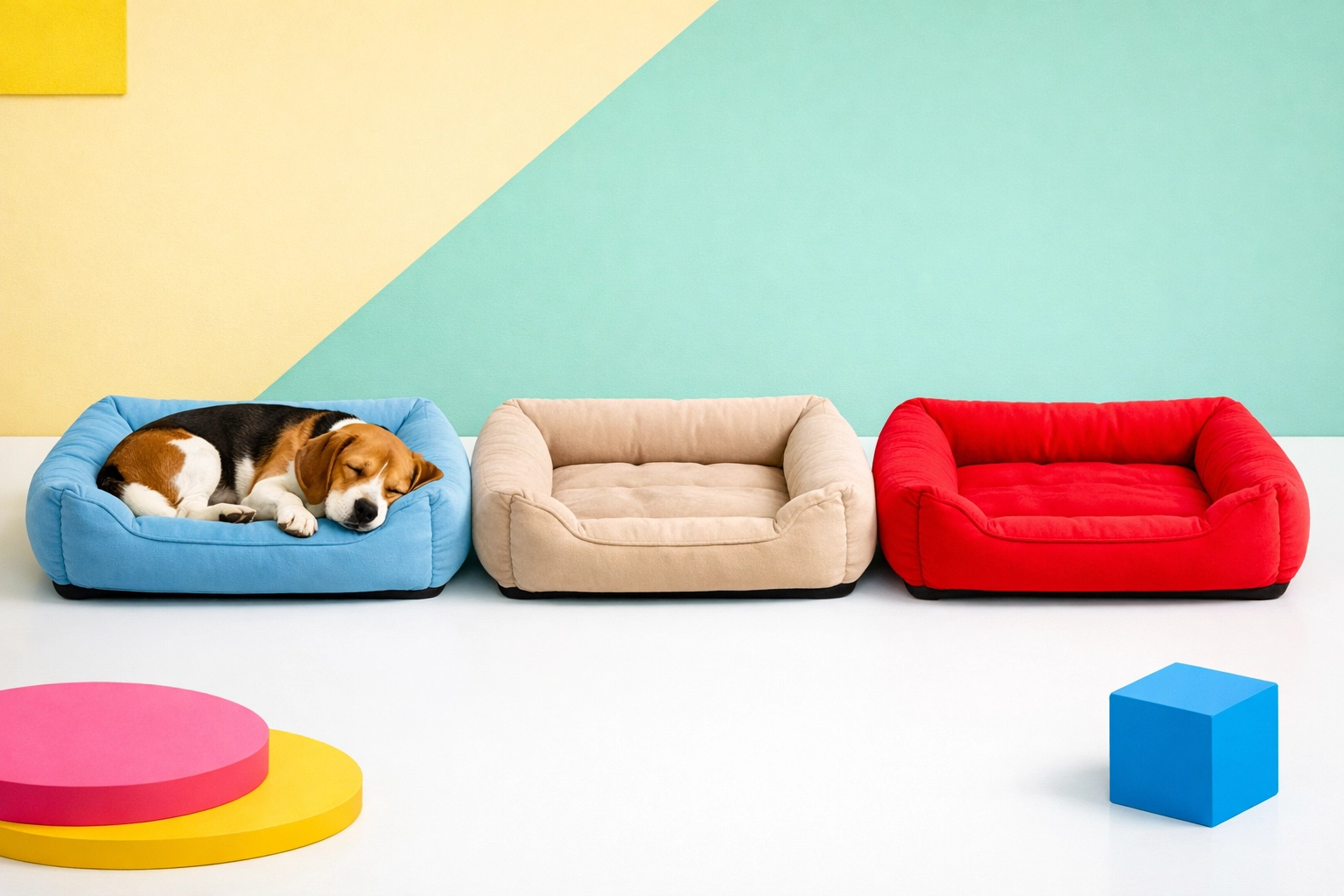
Cool blues and earthy beige tones actively reduce stress in anxious dogs. If your dog immediately settles into a blue or neutral-toned bed but avoids that bright red one, they're literally choosing the option that feels calmer to them.
On the flip side, high-stimulation colors like bright reds, oranges, or neon shades can actually increase stress. Think of it like trying to sleep in a room with bright yellow walls versus soft, muted tones. The environment affects the mood.
Neutral colors create a "hidden den" feeling that increases feelings of safety and privacy: essential for dogs who need extra security to manage stress.
When you're searching for the best dog bed for an anxious pup, color isn't just about matching your decor. It's a tool for creating a calming sleep environment.
The Self-Warming Factor: Comfort and Stress Relief
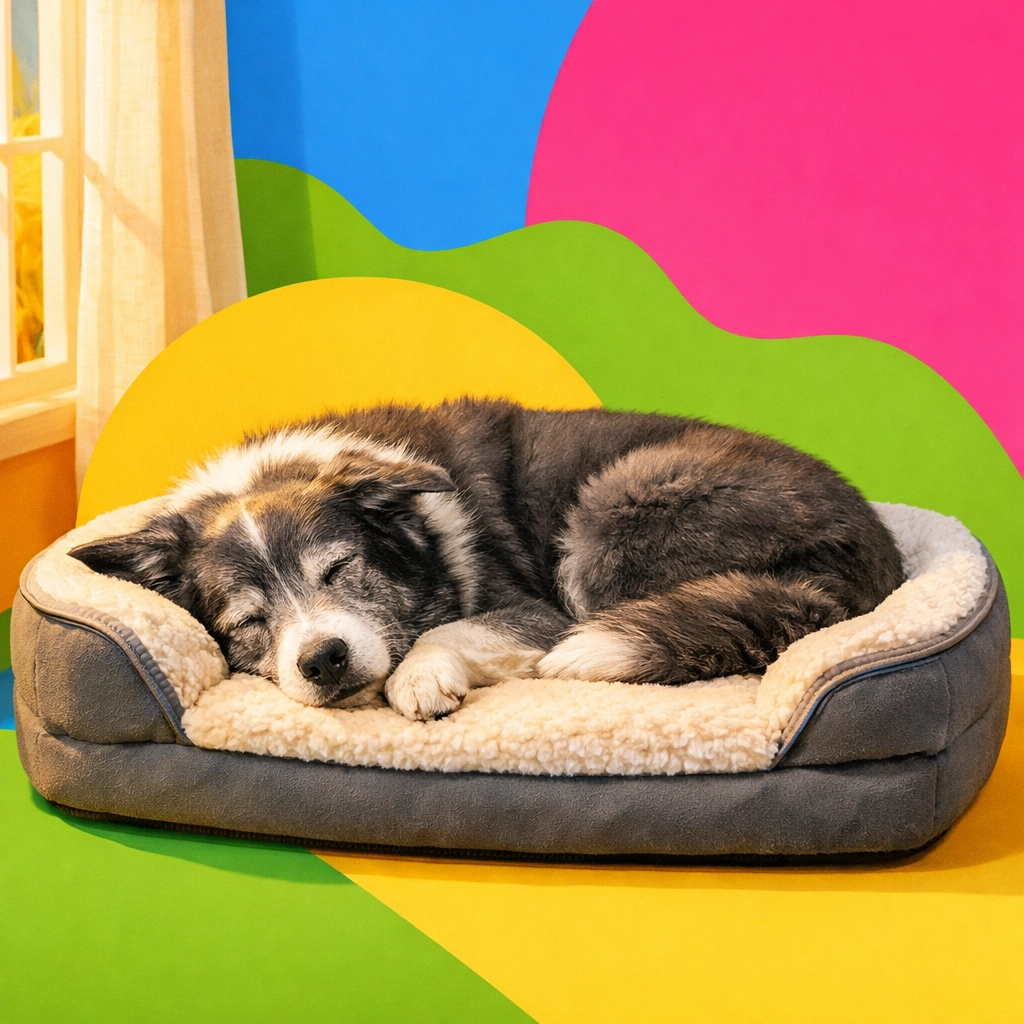
Dogs dealing with stress or discomfort often seek out self-warming beds that retain their body heat. This isn't just about staying cozy.
Warmth has a deeply soothing psychological effect. It mimics the comfort of sleeping in a pack and triggers relaxation responses. Senior dogs especially gravitate toward these options when pain or discomfort affects their sleep quality.
If your previously active dog suddenly starts seeking out the warmest sleeping spots or showing preference for heated beds, it might signal:
- Increased stress levels
- Physical discomfort they're trying to manage
- Age-related anxiety about vulnerability
- A need for extra comfort during difficult transitions
Just like we might take a hot bath to decompress after a stressful day, dogs use warmth as a self-soothing mechanism.
Where They Sleep Speaks Volumes
Beyond the bed itself, where your dog chooses to sleep reveals their confidence and security levels.
Dogs with separation anxiety struggle to sleep alone in another room. They need physical proximity to you for emotional regulation. While this seems sweet, it can indicate underlying insecurity that affects their overall mental health.
Conversely, dogs who confidently sleep in their own bed demonstrate independence and emotional security. This doesn't mean they love you less: it means they've internalized a sense of safety that doesn't require your constant presence.
Encouraging independent sleeping can actually foster confidence over time. Start small: place their bed near you, then gradually move it to where you want them to sleep long-term.
This emotional independence ties directly to the bond you're building through daily care routines. Just as grooming creates deep emotional connections through consistent, caring touch, creating secure sleeping environments builds trust and confidence.
What Your Dog's Bed Hopping Tells You
Some dogs rotate between multiple sleeping spots throughout the day. This isn't indecision: it's emotional regulation.
A dog might sleep in their cave bed during busy morning hours (seeking refuge from activity), move to a raised-edge bed for afternoon naps (wanting security while family is away), and finally sprawl on a flat mat when everyone's home and relaxed (feeling safe enough to be vulnerable).
This adaptability is healthy. It shows they're responding to their emotional needs in real-time and using their environment to manage stress naturally.
Creating a Sleep Sanctuary Based on Behavior
Now that you understand what your dog's preferences reveal, you can create better sleep environments tailored to their specific needs:
For anxious dogs:
- Choose beds with raised edges or cave-style designs
- Place them in quiet, low-traffic areas
- Use calming blue or beige colors
- Consider self-warming options
For confident dogs:
- Flat beds work great since they don't need extra security
- Multiple bed locations give them choice
- Focus on comfort over psychological features
For dogs with separation issues:
- Start with beds near your room
- Gradually increase distance as their confidence grows
- Use self-warming beds to provide comfort when you're away
- Keep their bed in a consistent location to build routine security
The Bottom Line
Your dog's bed choice isn't random or stubborn: it's communication. They're showing you exactly what they need to feel safe, secure, and emotionally balanced.
Paying attention to these preferences gives you valuable insight into their mental health without expensive assessments or guesswork. A dog who suddenly changes sleeping preferences might be experiencing new stress. One who finally settles into independent sleeping has reached a new confidence milestone.
The best dog bed is always the one that addresses your specific dog's emotional needs. Sometimes that's a plush cave bed for your anxious rescue. Sometimes it's a simple raised-edge option for your senior who needs physical security. And sometimes it's just a quiet corner with a soft blanket for the dog who needs to feel hidden.
Understanding the psychology behind these choices helps you make informed decisions that support not just their physical comfort, but their emotional well-being too. Because at the end of the day, a well-rested dog is a mentally healthier dog: and that affects everything from behavior to bonding to overall quality of life.