

Do You Really Need a Self-Cleaning Litter Box? Here's the Truth
Let's talk about something every cat owner faces: the litter box situation. But here's the twist: we're not approaching this from your perspective (though I know scooping isn't anyone's idea of fun). We're diving into your cat's world to understand why that box matters so much to their mental health.
Spoiler alert: It's way more complicated than just "cats like clean things."
Why Your Cat is Obsessed with Cleanliness (And It's Not What You Think)
Imagine you're a small predator living in the wild. You hunt, you eat, you survive. But here's the catch: you're also prey to larger animals. Your scent could literally get you killed.
That's the world your cat's ancestors lived in for thousands of years.
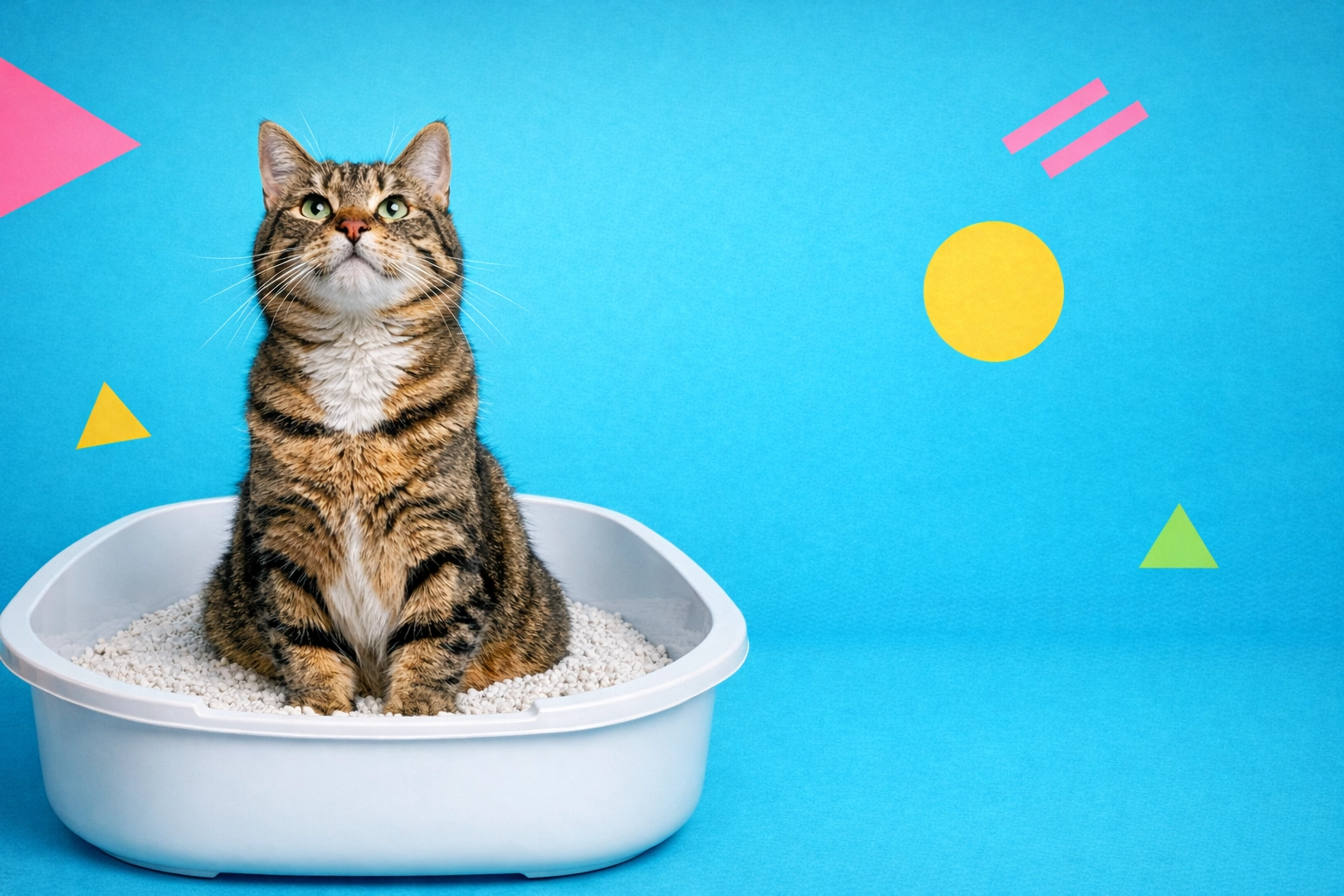
Cats evolved to be meticulous about their bathroom habits because waste smells attract predators. Even though your tabby hasn't faced a coyote in her life, that instinct is hardwired deep in her brain. When she carefully covers her waste, she's not being fussy: she's following an ancient survival protocol.
Here's what that means for her litter box:
- A dirty box triggers stress responses. Her brain interprets it as a danger signal, even in your safe apartment.
- She'll avoid a soiled box because instinct tells her it's compromising her safety.
- Multiple cats intensify this. Territory marking becomes an issue when boxes aren't kept pristine.
Think of it like this: Would you use a public restroom that hadn't been cleaned in three days? Now multiply that discomfort by the intensity of survival instinct. That's what your cat experiences with a dirty litter box.
The Psychological Impact of a Clean (or Dirty) Litter Box
Your cat's relationship with her litter box directly affects her mental well-being. This isn't about being a "picky" cat: it's about fundamental psychological security.
When the box is clean:
- She feels safe to eliminate without stress
- Her territory feels maintained and controlled
- She's less likely to develop avoidance behaviors
- Anxiety levels stay low
When the box is dirty:
- Cortisol (stress hormone) levels increase
- She may start eliminating in "safer" spots (like your bed or carpet)
- Territory marking behaviors can emerge
- She may hold waste longer, leading to potential health issues
A 2021 study on feline elimination behavior found that cats who consistently avoided their litter boxes showed elevated stress markers, even when no other environmental stressors were present. The dirty box itself was the stressor.
So... Enter the Self-Cleaning Litter Box
The promise sounds perfect: A box that automatically scoops itself, keeping things pristine for your fastidious feline. Problem solved, right?
Not quite.
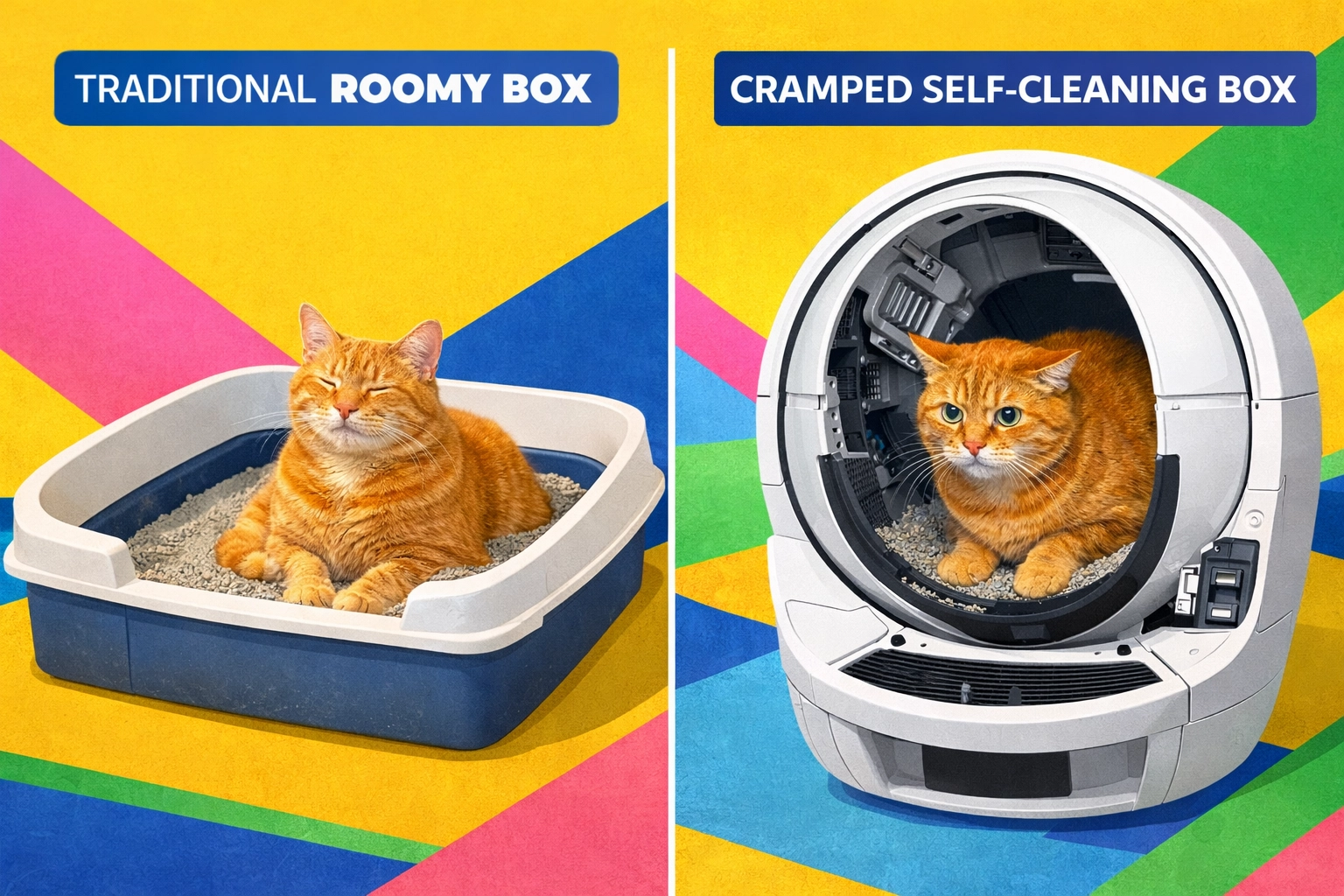
Let's look at this from your cat's perspective: because remember, we're focused on her well-being, not just your convenience.
From a cat's point of view, self-cleaning boxes present several challenges:
Space Issues: Most automatic boxes have mechanisms inside that reduce the usable space. For a cat, this feels cramped. Imagine trying to use a bathroom stall where you can barely turn around. Not comfortable, not relaxing, not conducive to the vulnerable act of elimination.
Noise and Movement: Many cats are startled by the mechanical sounds and sudden movements. That raking mechanism? It can trigger that same predator-anxiety we talked about earlier. Your cat may associate the box with unpredictable, scary events.
Entry Barriers: Some models require cats to climb stairs or navigate ramps. For kittens, senior cats, or those with mobility issues, this creates an actual physical barrier to using the box. And if it's hard to get in? She'll find somewhere easier.
Sensor Concerns: While rare, malfunctions can trap cats inside during cleaning cycles. Even if it never happens to your cat, some felines become anxious about enclosed spaces after hearing about it happening.
The Real Question: What Does Your Cat Actually Need?
Here's where we get practical and honest.
Your cat needs a clean litter box. Period. Whether that cleanliness comes from automation or from you scooping twice a day doesn't matter to her: only the end result matters.
What genuinely affects your cat's well-being:
- Frequency of cleaning (waste removed at least once daily, ideally twice)
- Box size (1.5 times her length, enough to turn around comfortably)
- Litter depth (2-3 inches for proper covering behavior)
- Location privacy (quiet, low-traffic areas where she feels secure)
- Number of boxes (one per cat, plus one extra)
Notice what's NOT on that list? The technology doing the cleaning.
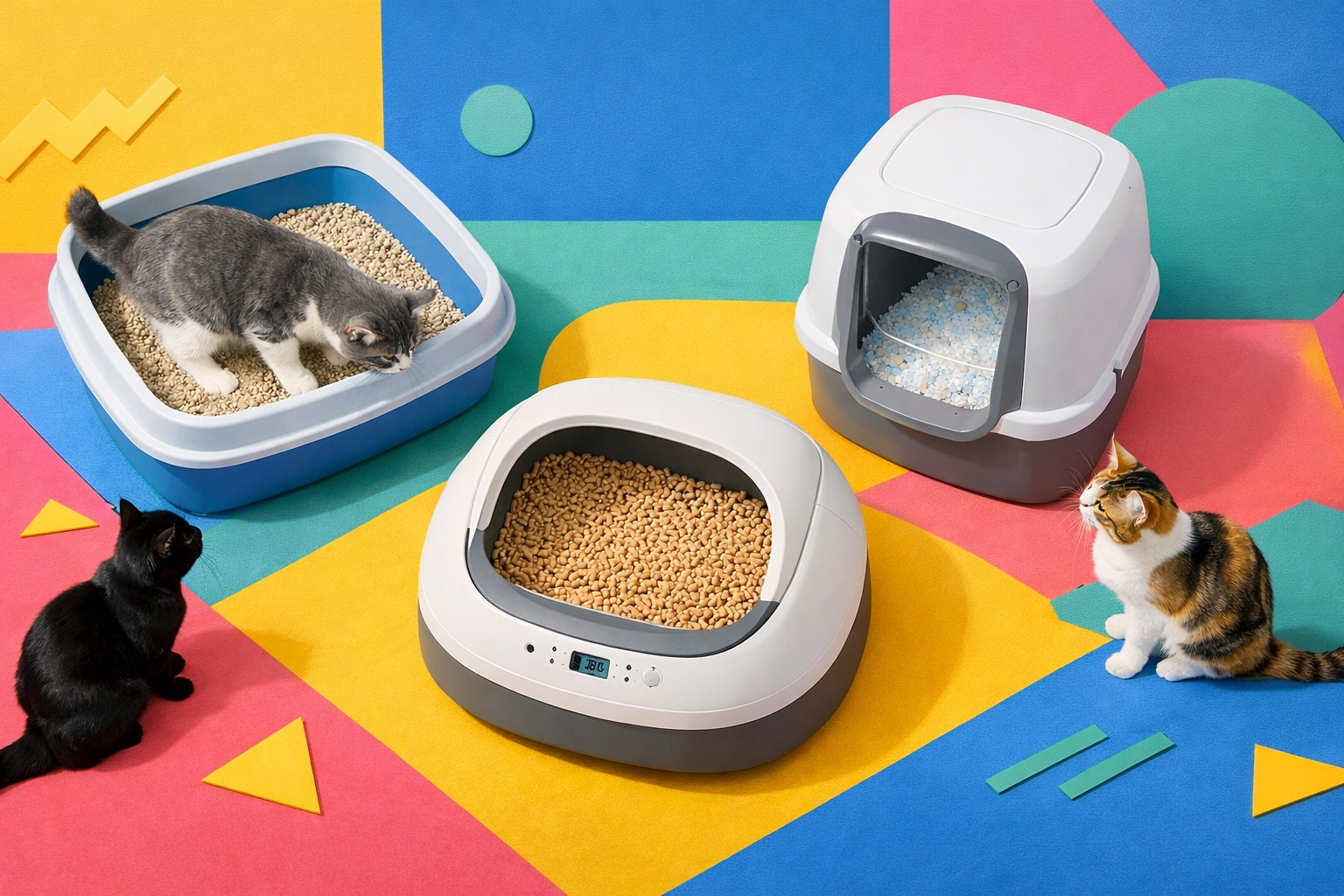
Weighing the Options: Self-Cleaning vs. Manual (For Your Cat's Sake)
Let's be really honest about the pros and cons, focusing on your cat's experience.
Self-Cleaning Litter Box:
Potential Benefits for Cats:
- More consistent cleaning if you struggle with daily scooping
- Always-available clean spots if it works properly
- Good for cats who are extremely particular (if they accept the mechanism)
Potential Drawbacks for Cats:
- Reduced space and cramped feeling
- Frightening mechanical noises
- Restricted litter choices (many cats have preferences)
- Entry barriers for senior or mobility-challenged cats
- Waste accumulation underneath until you empty the receptacle
- Risk of malfunction causing anxiety or injury
Manual Litter Box:
Benefits for Cats:
- More space and freedom of movement
- Silent and predictable
- Any litter type your cat prefers
- Easy entry for all ages and abilities
- You notice changes in elimination immediately (important health indicator)
Drawbacks for Cats:
- Dependent on your consistency with scooping
- May not be cleaned as frequently if you're busy or forgetful
What Actually Works: Practical Solutions That Focus on Feline Well-Being
If your cat's stress and comfort are the priority (and they should be), here are approaches that work without requiring high-tech intervention:
Multiple Traditional Boxes: Add a second or third box. This gives your cat options and reduces the "gross factor" if one gets soiled. It's cheaper than one automatic box and addresses the cleanliness issue directly.
Twice-Daily Scooping Routine: Morning and evening. Set a phone reminder. Make it as automatic as brushing your teeth. This keeps things pristine from your cat's perspective. And just like grooming, regular care routines matter for emotional well-being too—whether you’re scooping or brushing, that consistent “I’ve got you” maintenance helps your pet feel safe and settled (if you missed it, check out Beyond the Trim: How Grooming Your Dog Strengthens Your Emotional Bond).
Sealed Waste Containers: Use a Litter Genie or similar product. It makes manual scooping nearly as convenient as automatic systems without any downsides for your cat.
Larger Boxes: Bigger boxes stay cleaner longer because waste is more spread out. Your cat also appreciates the extra space.
Strategic Placement: Creating a pet-friendly home includes thinking about litter box locations. Quiet corners where your cat feels safe encourage proper use.
The Bottom Line: It's About Your Cat's Individual Needs
Here's the truth that doesn't come in a product listing: Some cats genuinely don't mind self-cleaning boxes. Others are terrified of them. Some cats will use anything if it's clean. Others are incredibly particular.
The question isn't really whether you "need" a self-cleaning litter box. The question is: What does YOUR specific cat need to feel secure, comfortable, and stress-free?
Ask yourself:
- Does my cat show signs of litter box anxiety? (eliminating outside the box, hovering instead of settling in, rushing through the process)
- Am I truly unable to scoop daily, making automation necessary?
- Would my cat be comfortable with the size, sounds, and mechanics of an automatic box?
- Is my cat elderly, very young, or dealing with mobility issues that could make entry difficult?
If you're considering an automatic box purely for your convenience, that's valid: but be honest about whether it might compromise your cat's comfort. If you're considering it because you struggle to keep up with manual scooping, explore whether simpler solutions (like adding boxes or using a sealed waste system) might achieve the same goal without potential drawbacks.
Final Thoughts
The "self-cleaning or not" debate misses the bigger picture. Your cat doesn't care about the technology. She cares about having a clean, comfortable, safe place to do something vulnerable and instinctual.
Whether that comes from a $500 robot or from you scooping with a $5 scoop doesn't matter to her. What matters is the end result: a box that feels clean, safe, and comfortable every single time she needs it.
The best litter box setup is the one that keeps your cat's box consistently clean while respecting her individual comfort levels and physical abilities. Sometimes that's high-tech. Often, it's just high-effort from you.
Pay attention to your cat's behavior. She'll tell you what's working and what isn't( you just have to listen.)